
The Allure of Risk and Reward
The psychology behind casino gambling is deeply rooted in the human attraction to risk and the exhilaration of potential rewards. Gamblers are often drawn to the thrill of uncertainty, where the possibility of winning big sparks a rush of adrenaline. This excitement can overshadow logical thinking and compel individuals to make decisions based more on emotion than on calculated risk assessments, and learning how to bet on the super bowl exemplifies this impulsive behavior.
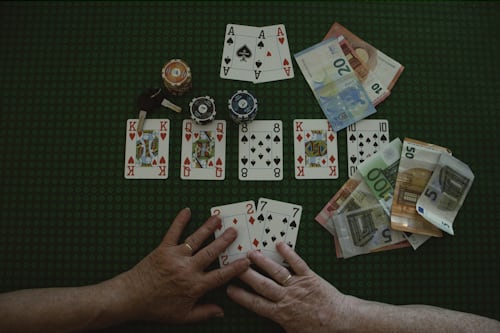
Moreover, the game design in casinos enhances this allure. Colorful lights and sounds create an environment that stimulates the senses, making it easier for players to lose track of time and money. Such sensory experiences manipulate emotions and can lead to compulsive gambling behaviors, as individuals seek to replicate the euphoric highs of winning.
The Role of Cognitive Biases
Cognitive biases play a significant role in the decision-making processes of gamblers. One common bias is the illusion of control, where individuals believe they can influence random outcomes, such as those in games of chance. This belief can lead players to make irrational bets, convinced that their skills might outsmart the odds.
Another prevalent bias is the gambler’s fallacy—where individuals think that past outcomes affect future results in random events. For instance, believing that a particular slot machine is “due” for a win after a series of losses can prompt continued play, despite the statistical improbability of such patterns. These biases can not only drive gambling decisions but also contribute to escalating losses as players chase after elusive victories.
The Impact of Social Influences
Social dynamics significantly influence gambling behavior. Group settings can heighten excitement and encourage risk-taking, as individuals often mirror the behaviors of their peers. The phenomenon of social facilitation means that people are more likely to gamble when they are surrounded by others who exhibit the same behavior, further amplifying their emotional engagement with the game.
Additionally, the normalization of gambling in social circles or culture can reinforce the idea that it is an acceptable pastime. This perception can lead individuals to gamble more frequently, often without considering the underlying risks involved. In essence, the social aspect of gambling intertwines with individual psychology to create a potent mix of motivations and emotions.
The Psychological Mechanisms of Addiction
Understanding the psychological mechanisms that lead to gambling addiction is crucial for recognizing its risks. For many, the initial thrill of gaming can gradually transform into a compulsive behavior as the brain associates gambling with pleasure and reward. The release of dopamine during wins or near-wins reinforces this cycle, compelling players to return in search of that euphoric feeling.
As a result, individuals may start to prioritize gambling over responsibilities and relationships, blurring the lines between excitement and addiction. Recognizing these patterns is important, as it allows for interventions that can help individuals regain control over their gambling habits and address the underlying psychological issues.

Understanding the Website’s Limitations
This website serves as an informative platform on casino gambling decisions, although it currently faces access limitations due to technical issues. Visitors might encounter barriers that prevent them from viewing specific content, which can be frustrating for those seeking in-depth insights into gambling psychology.
While users are encouraged to explore other available resources, the aim remains to provide clarity around gambling dynamics. Once the site is fully accessible again, it will offer comprehensive information on the psychological aspects behind gambling decisions, enhancing user understanding and awareness of this fascinating topic.